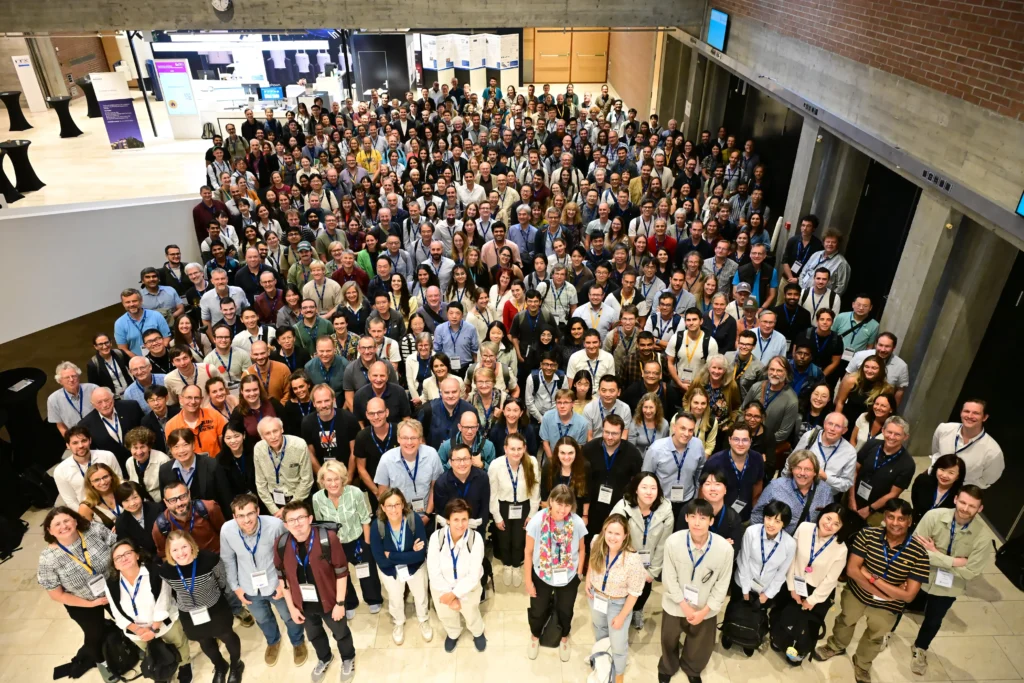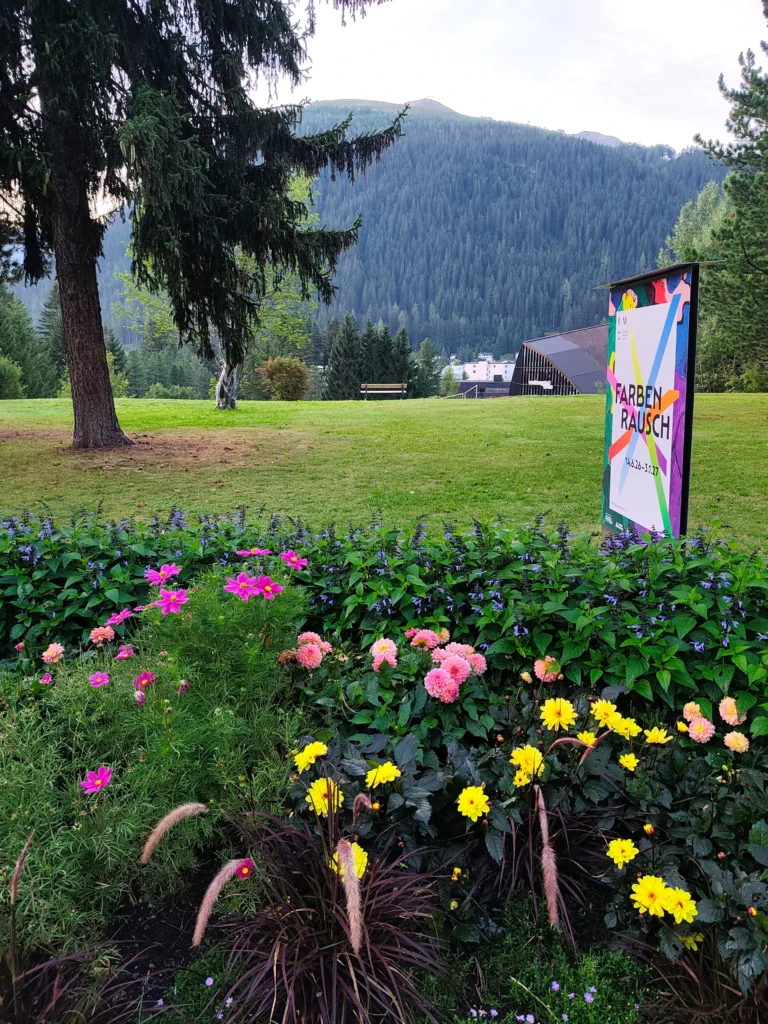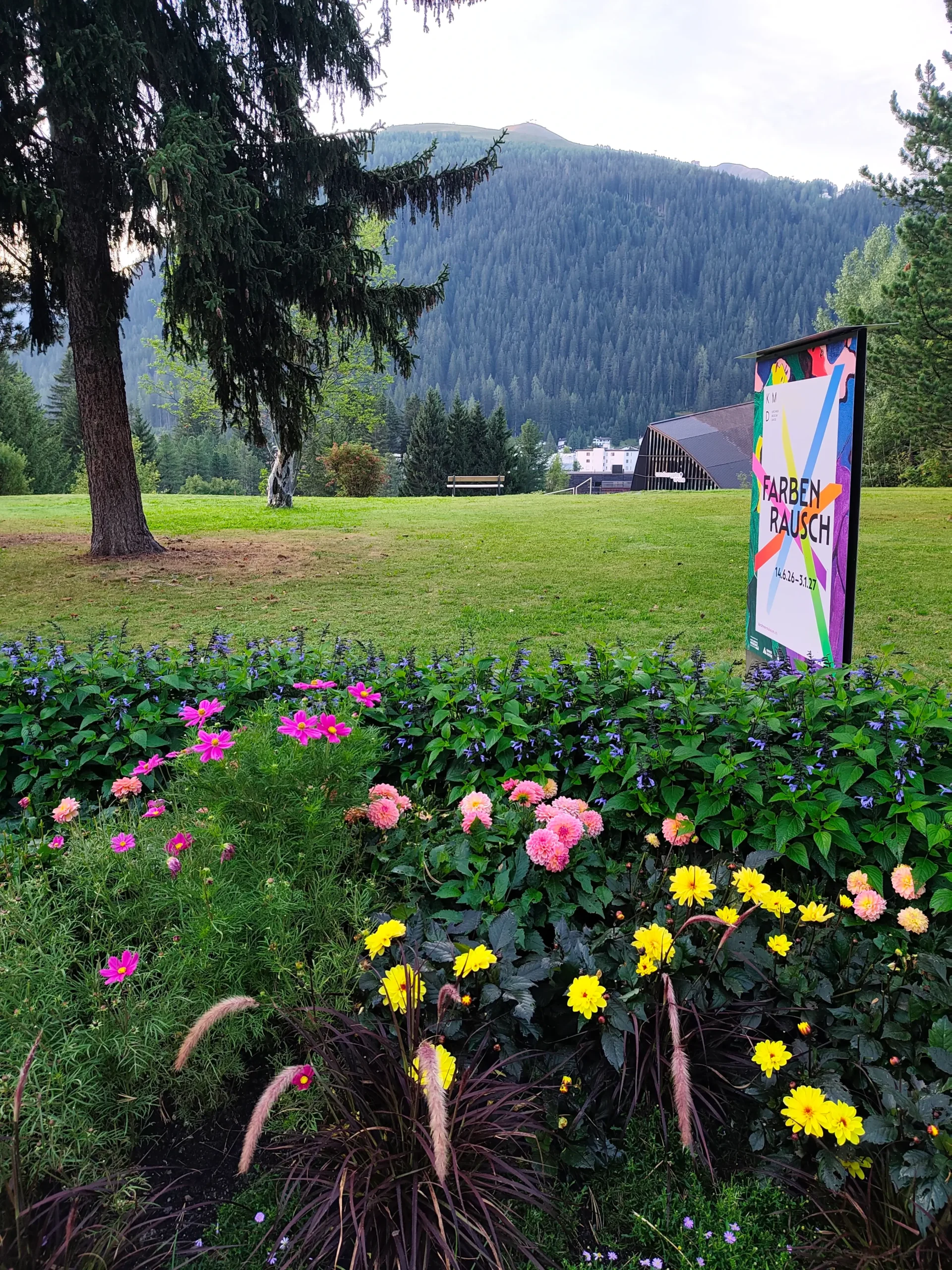
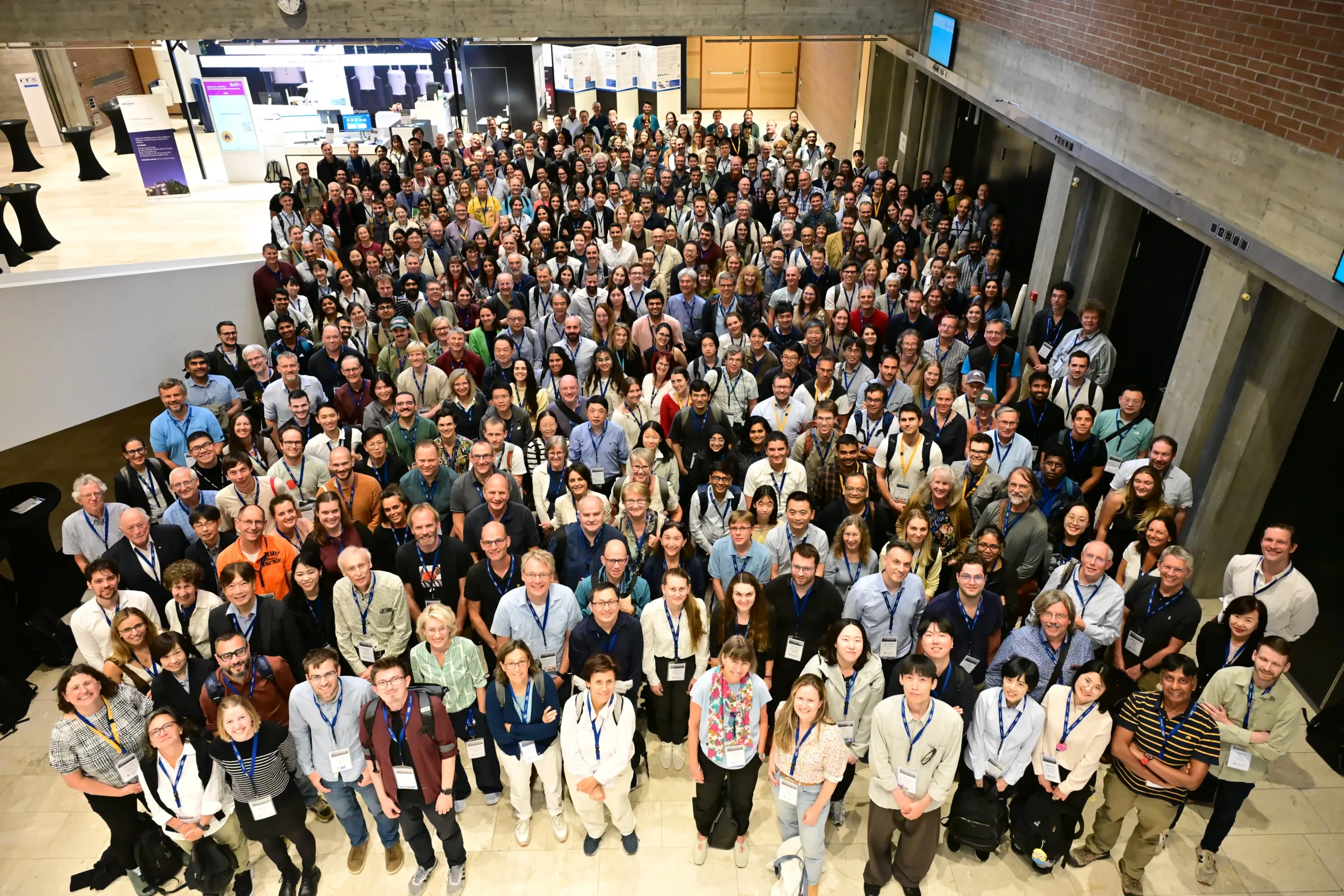

From August 23–27, scientists from around the world gathered in Davos, Switzerland, for the 31st International Conference on Magnetic Resonance in Biological Systems (ICMRBS 2026). For FB Reagents, the conference was an opportunity to support the international bio-NMR community, present new collaborative research, meet researchers and customers face-to-face, and explore new opportunities for scientific collaboration. We returned from Davos with new connections, valuable customer feedback, more than CHF 400 raised for charity, and several exciting new collaborative projects.
There was also one small logistical lesson along the way.
A Little Too Much Davos Ambition
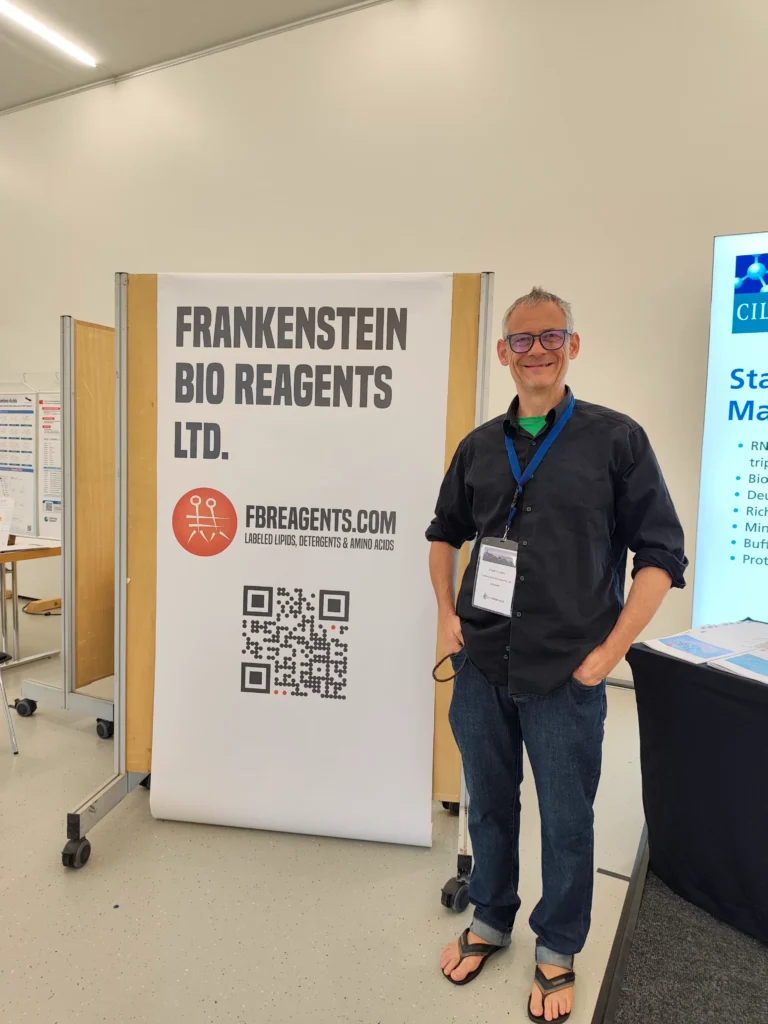
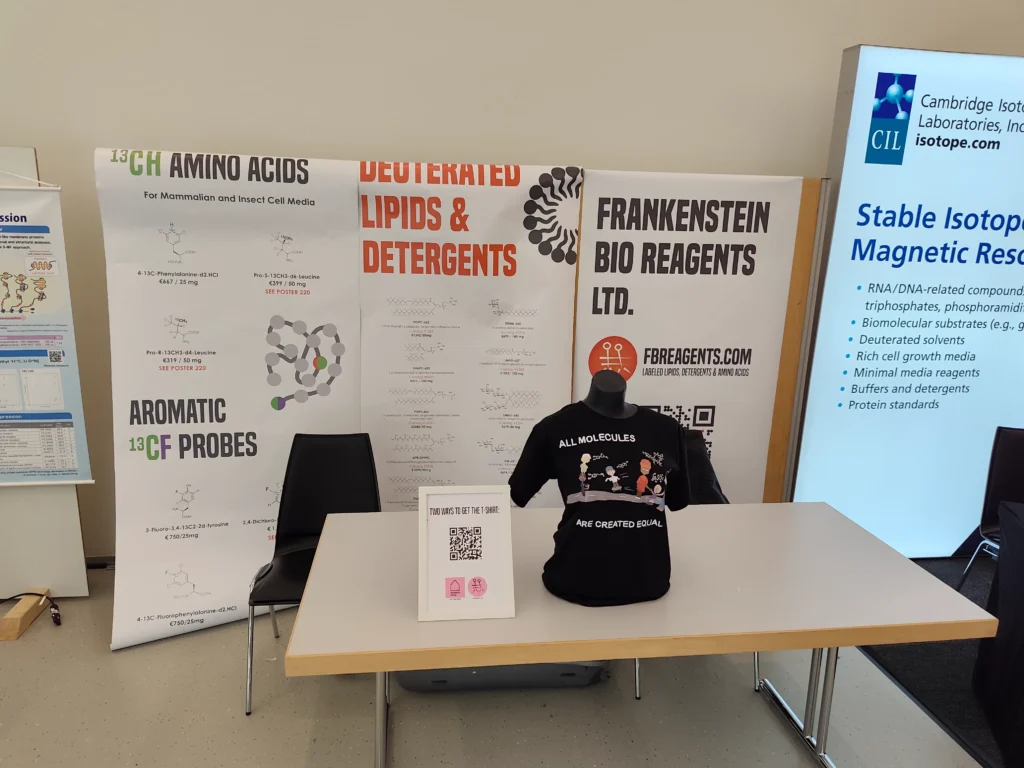
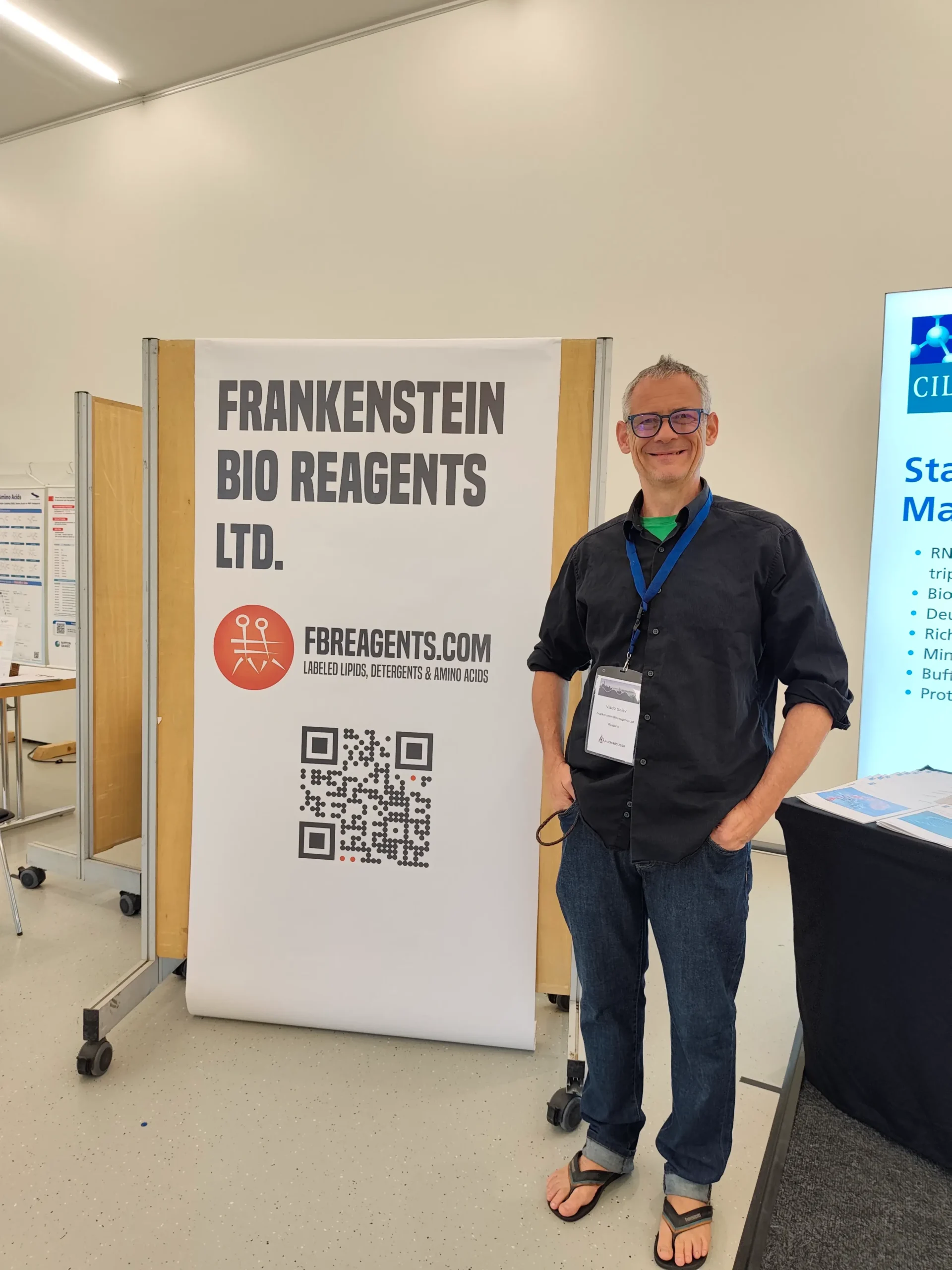
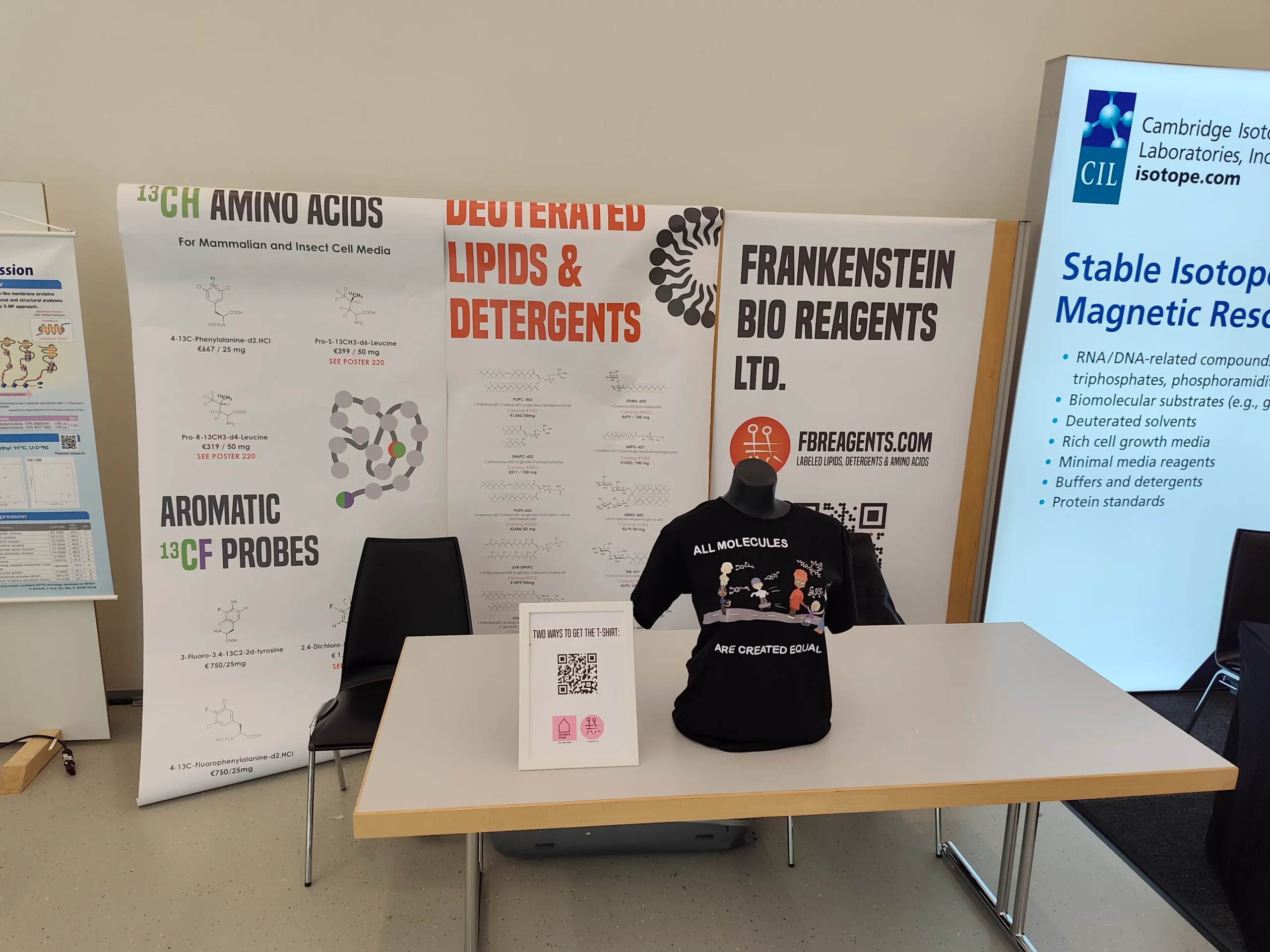
There is a certain temptation to think big when preparing for an event in Davos, home of the World Economic Forum. Preparing for a grandiose venue to match the reputation of the WEF, we arrived with exhibitor banners that were slightly too ambitious. To our surprise, the Davos Congress Center turned out to be a cosy, intimate space. And our grand banners were too tall for the available wall space.
The solution was simple: we folded them.

In hindsight, perhaps we should have inquired about wall space, rather than judging the reputation of the town. Fortunately, the banners still did their job, and the smaller, more intimate setting turned out to be particularly well suited to what we value about scientific conferences: conversation and collaboration.
Why ICMRBS Matters to FB Reagents
ICMRBS is one of the major international conferences in biological NMR, bringing together scientists working at the forefront of magnetic resonance and structural biology. For FB Reagents, supporting the conference was about more than presenting our product range. Our products are designed to facilitate the study of the structure and dynamics of challenging biological systems, including large protein complexes and membrane-bound proteins, so being able to meet researchers working directly with these systems is an important part of our work. We also wanted to hear about the latest developments in the field, understand which technical challenges researchers are facing, and identify opportunities for new collaborations that could eventually lead to new products. Just as importantly, conferences provide something that is difficult to replicate remotely: direct feedback from customers about how our products perform in real research environments and what could be improved.
One conversation at ICMRBS has already resulted in a practical change. Following customer feedback, we decided to provide protocols that allow researchers to test the quality of our lipids and detergents after prolonged storage, while also offering a free re-purification service when a product has degraded and can be restored to the required quality. For us, this is one of the most valuable outcomes of meeting customers in person: a relatively simple conversation can lead to a concrete improvement that continues to benefit researchers long after the conference has ended.
Two New Tools for NMR of Large Proteins
We also presented two posters describing collaborative research aimed at making NMR studies of increasingly complex proteins more practical. Both projects address specific limitations that researchers encounter when working with large biological systems, but they approach those limitations from different directions.
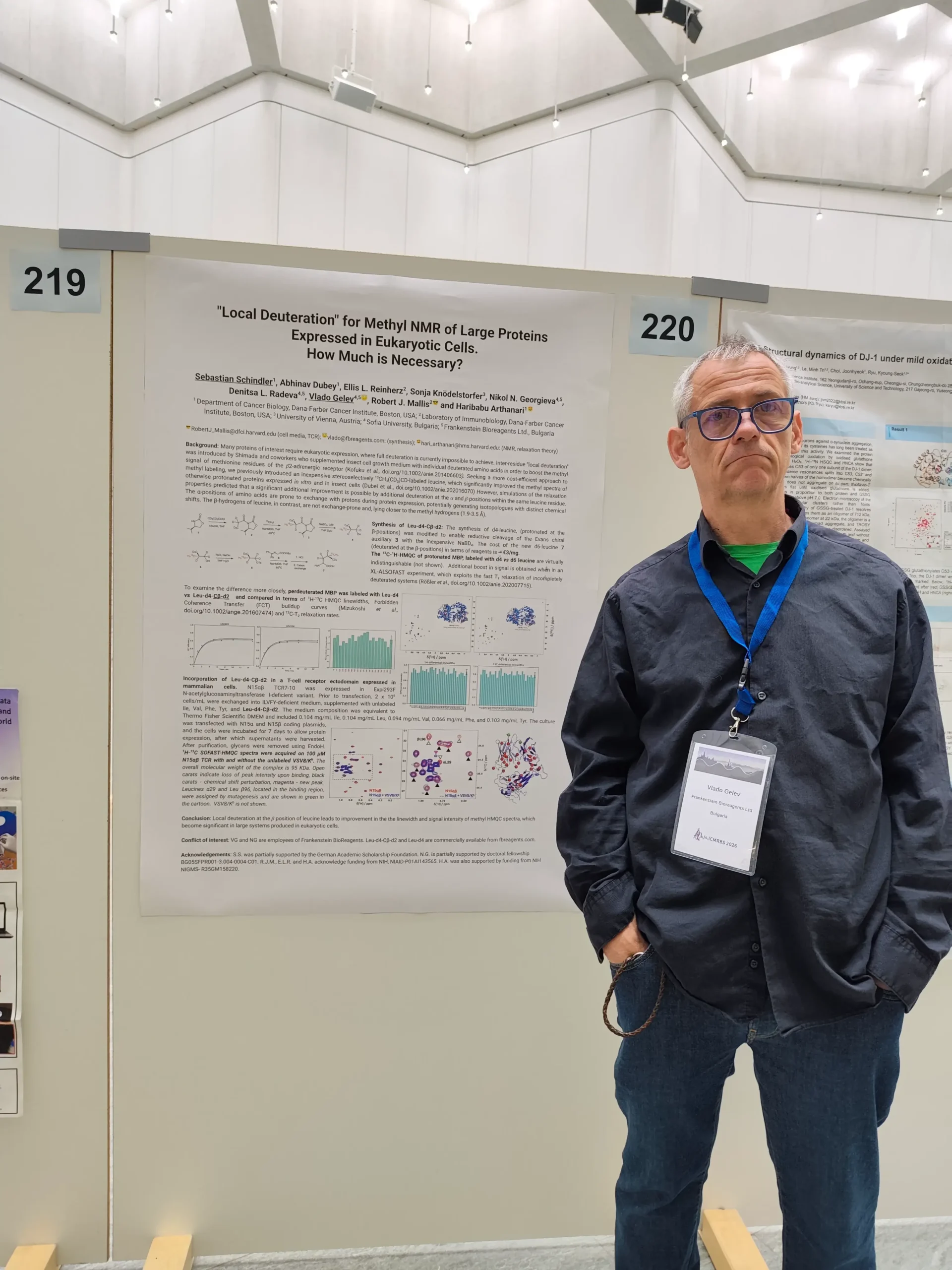
The first poster, “Local Deuteration” for Methyl NMR of Large Proteins Expressed in Eukaryotic Cells: How Much Is Necessary?, focuses on improving methyl labeling for proteins expressed in eukaryotic cells.
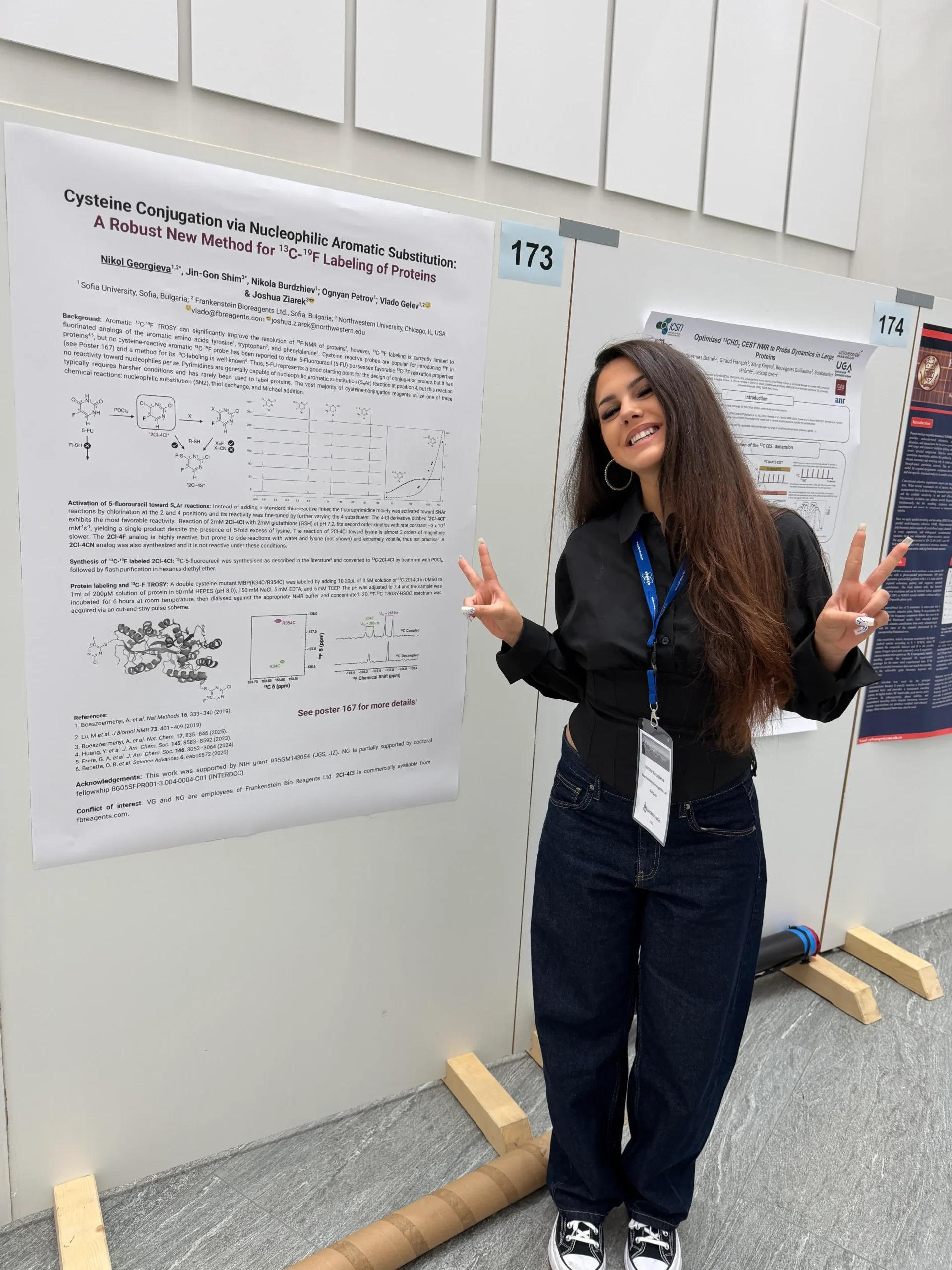
The second, “Cysteine Conjugation via Nucleophilic Aromatic Substitution: A Robust New Method for ^13C–^19F Labeling of Proteins,” presents a new method for introducing a ^13C–^19F NMR probe at protein cysteine residues.
Together, the projects reflect a broader goal: developing practical tools that allow researchers to push NMR further into complex biological systems.
Local Deuteration for Methyl NMR in Eukaryotic Cells
Methyl labeling is a powerful strategy for studying large proteins by NMR because methyl groups can provide useful signals even when the overall size of the protein makes conventional approaches difficult. Obtaining high-quality spectra, however, typically benefits from a fully deuterated protein background, which is achievable in bacterial expression systems but presents a much greater challenge in eukaryotic systems.
This creates a problem for researchers studying proteins that depend on eukaryotic expression to retain their functional form. GPCRs and kinases are two important examples, and many other biologically relevant proteins similarly cannot simply be moved into a bacterial expression system.
The international collaborative team behind this project explored a different strategy: intramolecular local deuteration. Instead of deuterating the entire protein, the method selectively deuterates the immediate environment around the 13C-methyl group of stereoselectively methyl-labeled leucines, while leaving the rest of the protein at natural abundance.
The approach can be summarized through three practical advantages:
- Targeted rather than global deuteration: only the region surrounding the labeled methyl group is deuterated, avoiding the need to extensively deuterate the entire protein.
- Compatibility with eukaryotic expression: the method is directly applicable to mammalian and insect cells, opening possibilities for proteins that require these systems.
- Improved spectral quality at a practical cost: while it does not reproduce all the benefits of full deuteration, it provides a significant improvement over no deuteration and is relatively affordable compared with the overall cost of preparing a cell growth medium containing all deuterated amino acids.
This makes local deuteration an interesting middle ground between full deuteration and no deuteration at all. Rather than trying to reproduce the entire deuterated background used in conventional approaches, the strategy concentrates the benefit where it matters most for the methyl NMR experiment.
A New ^13C–^19F Probe for Cysteine Labeling
The second project addresses a different and increasingly popular approach to protein NMR: ^19F-NMR, which provides background-free signal but is also subject to signal broadening as proteins grow larger.
Aromatic ^13C–^19F pairs are particularly attractive in this context, and ^13C–^19F TROSY can produce some of the sharpest carbon signals currently available for biomolecular NMR. The limitation is that existing aromatic C–F probes are largely based on aromatic amino acids, meaning they generally need to be incorporated into proteins at specific positions. Depending on the system, this can involve complex biochemical techniques and may not be suitable for every application.
In collaboration with Prof. Ziarek’s laboratory at Northwestern University, we developed a new aromatic ^13C–^19F probe with thiol reactivity. The approach offers several practical advantages:
- Novel cysteine-based labeling: the probe reacts selectively with cysteine residues through nucleophilic aromatic substitution, in contrast to the commonly used cysteine reactive “warheads”.
- Flexible positioning: researchers can potentially place the ^13C–^19F reporter at different locations on a protein surface by introducing a cysteine at the desired site.
- A new route to ^13C–^19F NMR: the method expands the use of aromatic ^13C–^19F labeling beyond probes based on aromatic amino acids and can reduce the need for more complex incorporation strategies.
This creates a more flexible route to 2D TROSY NMR reporting from regions of a protein surface that are difficult to access using existing approaches.
Interdisciplinary Science
The research we presented at ICMRBS reflects collaboration between scientists with complementary expertise in chemistry, protein science, and NMR methodology. That collaborative aspect was also one of the main reasons for attending ICMRBS. A paper or product page can communicate a great deal of information, but an in-person discussion often reveals a different dimension of a research problem. A question from another scientist may suggest an application that had not previously been considered, while a conversation with a customer can expose a practical issue that would otherwise remain unnoticed.
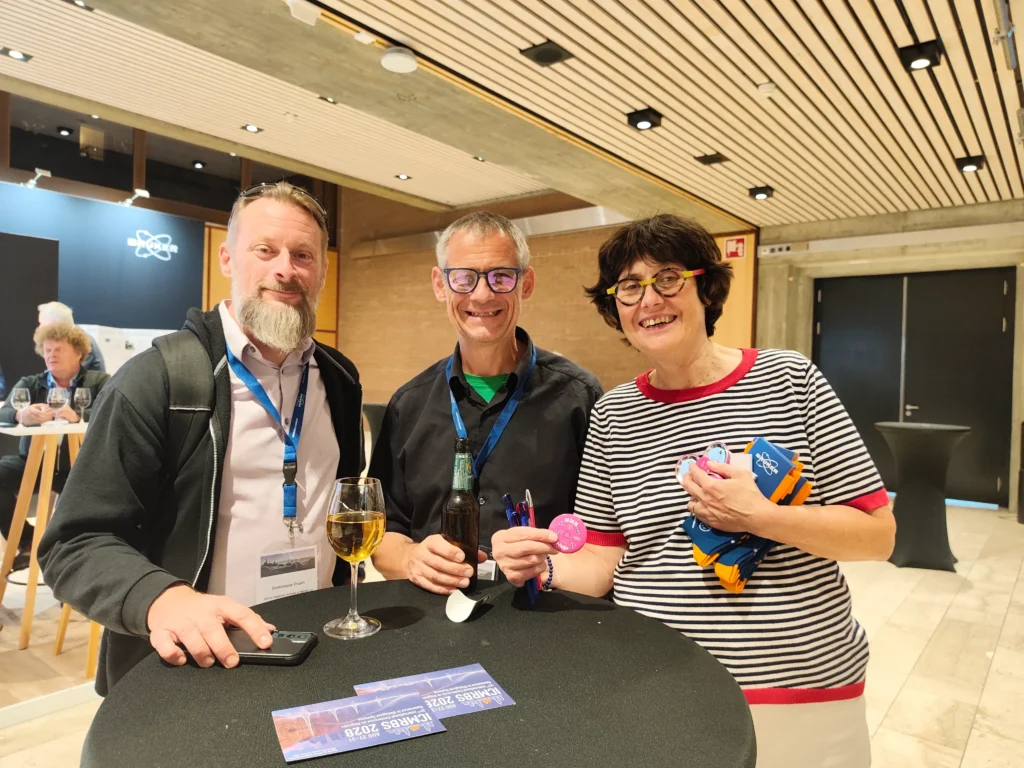
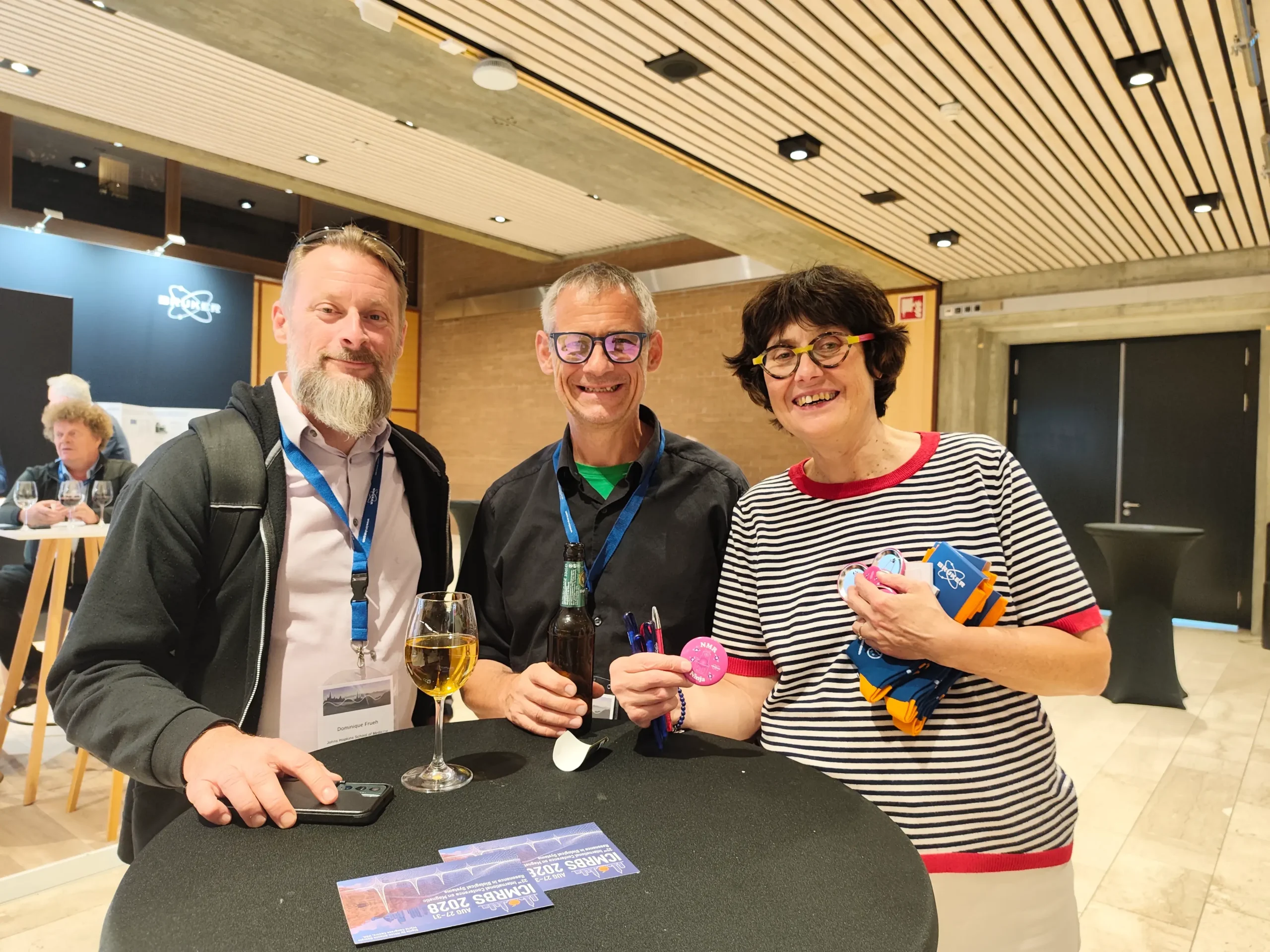
Several of the conversations held in Davos have already developed into new collaborative opportunities, which is exactly the kind of outcome we hope for when attending a scientific meeting. The value of a conference is not limited to the presentations delivered during the scheduled sessions; it also lies in the ideas that emerge in informal conversations about research challenges: between sessions, at poster discussions, and over coffee (or beer).
More Than Science: CHF 400 for Charity
Our booth also had a less technical attraction. We offered FB Reagents T-shirts in exchange for charitable donations, and the initiative raised more than CHF 400. The design featured a collection of chemical structures, giving the scientists passing by an additional challenge: attendees who could correctly identify all the molecules were eligible for a free shirt.
Quite a few people managed to do it, yet all chose to also pitch in for the cause – supporting a charity which assists homeless people with substance abuse problems.

A Field on an Upward Trajectory
Beyond our own work, one of the strongest impressions we took from ICMRBS 2026 was a sense of renewed momentum in biological NMR. There appears to be growing recognition of the importance of protein dynamics and intrinsically disordered domains, both of which can be difficult to characterize using other experimental techniques, while a new generation of researchers is approaching NMR with strong backgrounds in biology and a focus on answering specific biological questions.
That shift is particularly interesting because it places NMR within a broader structural biology toolkit rather than treating it as an isolated technique. Researchers can start with a biological problem and then combine NMR with other experimental approaches according to what is needed to understand the system, its dynamics, interactions, or function.
For companies developing tools for increasingly challenging NMR applications, this is an encouraging direction for the field. As biological questions become more complex, the demand for specialized labeling strategies and chemical tools is likely to grow alongside them.
An Exceptional Conference in Davos
From our perspective, ICMRBS 2026 was one of the most well-organized, welcoming, and collaborative scientific conferences we have attended. The organizers truly outdid themselves, creating an environment in which scientific exchange felt natural and where researchers had plenty of opportunities to interact beyond the formal program.
For FB Reagents, the most valuable outcome was ultimately the people we met and the conversations we had. We reconnected with old friends, made new ones, received useful feedback from customers, presented two pieces of collaborative research, raised money for charity, and initiated several exciting new projects.
We left Davos with new ideas, new relationships, and a renewed sense of where biological NMR is heading. And next time, we may even remember to inquire about the exhibition space before deciding how ambitious our banners should be.